A woman in a warm sweater sitting on a coastal rock at sunset, looking out over the ocean.

A New Path Forward.

Concierge psychiatry and TMS therapy in Dallas, designed to help you feel like yourself again.

  • Non-invasive
  • Drug-free
  • Outpatient visits
  • No anesthesia

Serving Dallas, Highland Park, University Park, Preston Hollow, Lakewood, and North Dallas.

Depression

An evidence-based option when medication has not been enough.

Anxious depression

For depression that comes with persistent anxiety.

OCD

Carefully assessed, with protocol details confirmed before we treat.

ADHD

For focus and attention concerns, after a thorough evaluation.

Addiction & impulsivity

Support for urges and impulse control as part of a wider plan.

Advanced treatment, delivered with a human hand.

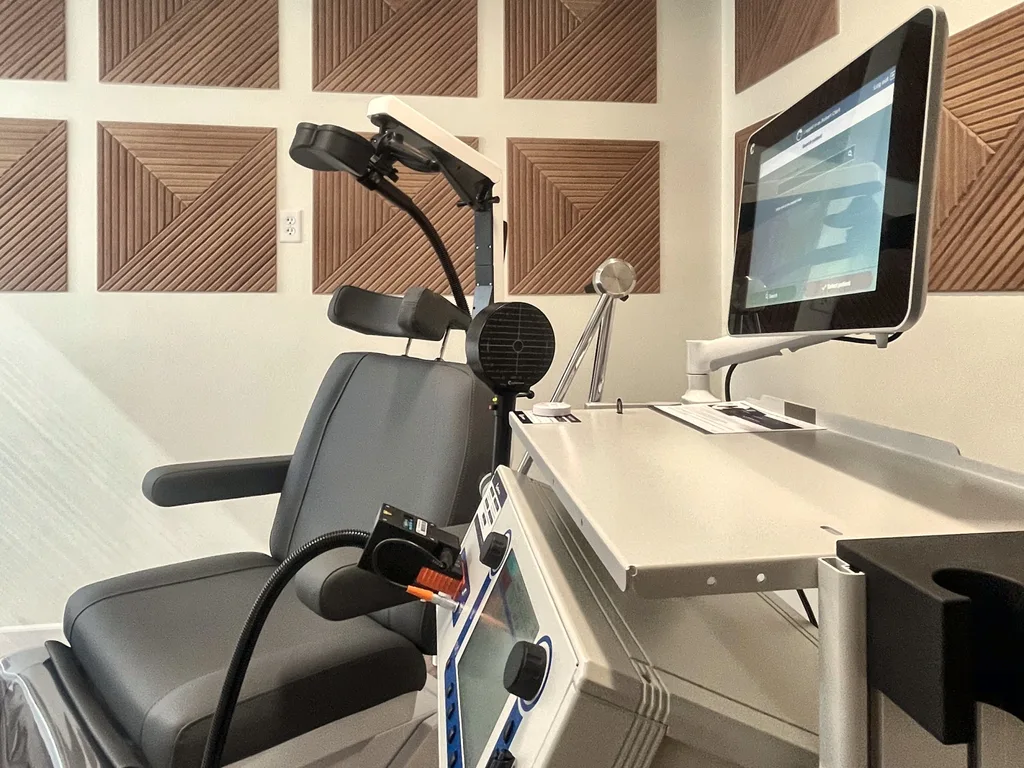
The TMS treatment room at Resilience Neuro Health in Dallas — treatment chair, coil, and console.

TMS, transcranial magnetic stimulation, uses gentle magnetic pulses to stimulate the areas of the brain tied to mood. You stay awake, sessions are short, and most people drive themselves home and get on with their day. We only recommend it when it is a reasonable fit for you.

We screen carefully, explain what to expect honestly, and track how you are actually doing over time, so the plan follows your progress rather than a script.

  • Non-invasive
  • Drug-free
  • Outpatient visits
  • No anesthesia
Talk through whether it fits
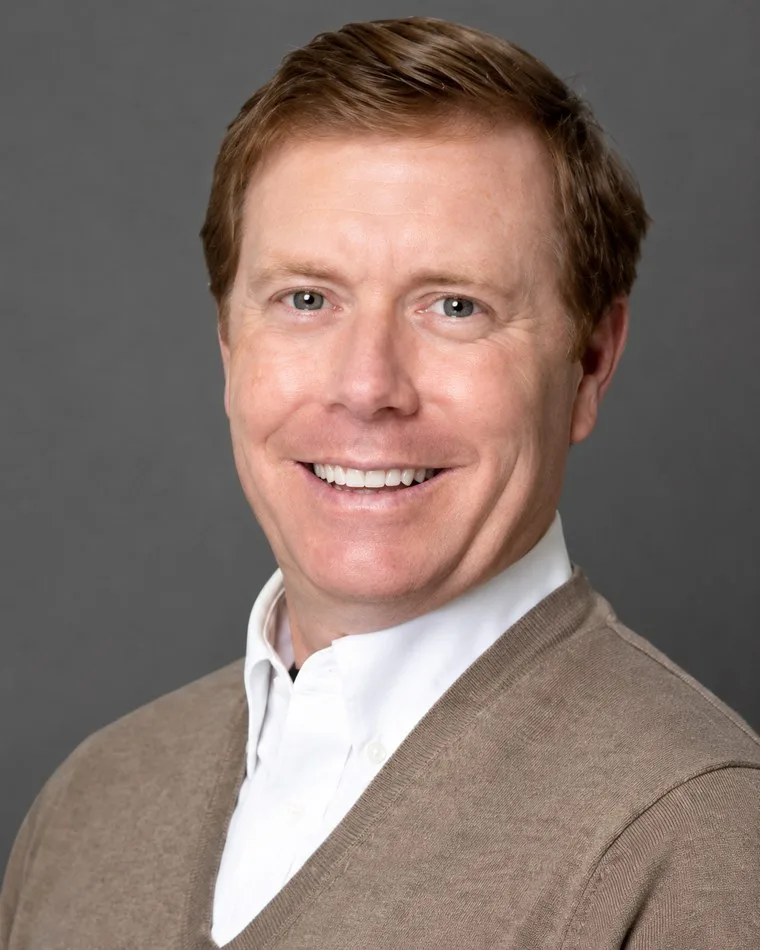
Dr. E. Will Clark, MD, board-certified psychiatrist at Resilience Neuro Health in the Park Cities, Dallas.

Led by Dr. E. Will Clark, MD.

Board-certified psychiatrist · Park Cities, Dallas

Dr. E. Will Clark is a board-certified psychiatrist in private practice in Dallas, TX. He trained at UT Southwestern Medical Center and served on its psychiatry faculty from 2013 to 2023 — including as Medical Director of the Inpatient Psychiatric Unit at Clements University Hospital and Clinical Director of Interventional Psychiatry. He has worked with neurostimulation therapies including TMS and ECT since 2014.

After leaving academic medicine, Dr. Clark built a practice around unhurried, patient-centered care. Every plan at Resilience Neuro Health begins with a one-on-one assessment, so your treatment is matched to you and your history, not to a script.

We share our Cole Avenue home with Resilience Counseling, the private practice of Robert Clark, LPC. When talk therapy belongs in your plan, alongside TMS or instead of it, we can connect you directly.

  • Board-certified psychiatrist
  • MD, UT Health San Antonio (Long School of Medicine)
  • Residency, UT Southwestern Medical Center
  • Former UT Southwestern psychiatry faculty (2013–2023)
  • Neurostimulation experience (TMS, ECT) since 2014

Medically reviewed by Dr. E. Will Clark, MD · July 2026

What working with us looks like.

  1. Assessment

    A concierge psychiatrist reviews your history, medications, and goals, unhurried, to find what fits.

  2. Mapping

    Your protocol is personalized before the first full treatment session.

  3. Treatment

    Short, private visits, built to fit around a real Dallas schedule.

  4. Follow-up

    We track progress together and decide the next step with you.

Built to give back.

Giving back is part of how we want to practice. As Resilience grows, we are committed to directing a share of our proceeds toward care for people who could not otherwise afford it — so getting better here can help someone else get better too.

Questions people ask before they call.

The TMS treatment room at Resilience Neuro Health in Dallas — treatment chair, coil, and monitoring station.
Does TMS hurt?

No anesthesia or sedation is involved. During treatment you feel a tapping sensation on the scalp where the coil rests. Some people notice mild scalp discomfort or a short-lived headache in the first sessions, which usually eases as treatment continues. You stay awake and alert the whole time.

What does a session feel like?

You sit in a comfortable chair, fully awake. A cushioned coil rests against your head and delivers brief magnetic pulses in short bursts. Most sessions take roughly 20 to 40 minutes, and people typically read, listen to music, or just rest. You can drive yourself home afterward.

How many sessions will I need?

A standard course usually runs as daily weekday sessions over several weeks. Your exact protocol and number of sessions are personalized by Dr. Clark during your assessment, and adjusted as we track how you respond, rather than following a fixed script.

Are there side effects?

The most common effects are mild: scalp discomfort or a headache near the treatment area, usually early on. TMS is non-invasive and avoids many of the systemic side effects medications can carry. We review the full risks, including rare ones, before you start, and screen carefully for anyone it may not be right for.

How much does it cost, and is it covered by insurance?

A full TMS course is $3,500, which includes your assessment with Dr. Clark. We are a self-pay practice and do not bill insurance, but we provide superbills for applicable services that you can submit for possible out-of-network reimbursement. See our cost and insurance pages for the full picture.

Is TMS right for me?

TMS may help adults whose depression has not fully lifted with medication or therapy. It is not right for everyone. The honest answer comes from a conversation: we review your history, your goals, and whether TMS is a reasonable next step. There is no pressure to proceed.

Talk with us before you decide.

Tell us what you have tried and what still feels stuck. We will help you understand whether TMS belongs in your next step. The fastest way is a quick call.

Call to book (682) 540-0987 Mon–Fri, 8am–6pm CT

What happens next: call us or send the form, and a member of our team follows up to answer your questions and set up your appointment. No medical details needed to get started.

Prefer we call you?

Leave your number and a good time. No medical details needed here.

Thanks. We will call you back at the number you provided. If this is urgent, please call us directly.

Confidential. Not for emergencies. In a crisis, call or text 988.

Call (682) 540-0987